

Entente Européenne schützt ihr Ringzeichen – Neues EE-Kennzeichen ab 2027 nur für Mitgliedsverbände
Segovia. Die Entente Européenne (EE) hat einen wichtigen Schritt zum Schutz ihrer Identität und zur Sicherung der Herkunft von Ringen für Rassegeflügel und Rassetauben vollzogen. Das EE-Kennzeichen auf den Fußringen wurde rechtlich geschützt und wird ab dem Jahr 2027 in einer neuen, geschützten Form ausschließlich den Mitgliedsverbänden der EE zur Verfügung stehen. Hintergrund dieser Entscheidung ist die in den vergangenen Jahren zunehmende missbräuchliche Verwendung des EE-Zeichens. Immer häufiger wurde das Kennzeichen auch von Organisationen genutzt, die nicht Mitglied der Entente Européenne sind. Dadurch verlor das Zeichen zunehmend seine Aussagekraft als Qualitäts- und Herkunftsmerkmal der europäischen Dachorganisation.
„Das EE-Zeichen steht seit Jahrzehnten für die organisierte europäische Rassegeflügel- und Rassetaubenzucht. Deshalb war es notwendig, dieses wichtige Symbol dauerhaft rechtlich zu schützen“, betonte das Präsidium der Entente Européenne.
Intensive Beratungen in Segovia
Während der Europatagung der Entente Européenne in Segovia wurde das Thema gemeinsam mit den Mitgliedsverbänden der Geflügel- und Taubensparte ausführlich beraten. Im Mittelpunkt standen sowohl die rechtlichen Rahmenbedingungen als auch die praktische Umsetzung.
Parallel dazu führte das Präsidium Gespräche mit den führenden europäischen Ringherstellern – Horst Stengel & Sohn e.K. (Deutschland), Plasticapro (Bulgarien) und Smisdom NV (Belgien). Gemeinsam wurden die technischen Voraussetzungen geschaffen, damit das neue Kennzeichen künftig einheitlich auf den Fußringen verwendet werden kann.
Neues EE-Design mit Gründungsjahr
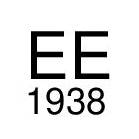
Da die Buchstabenfolge „EE“ allein markenrechtlich nicht geschützt werden konnte, musste eine neue Lösung gefunden werden. In enger Abstimmung mit dem beauftragten Patentanwalt entschied sich die Entente Européenne für ein neues Design. Dieses verbindet die bekannte Buchstabenfolge EE mit dem Gründungsjahr 1938 und schafft damit ein unverwechselbares und rechtlich geschütztes Kennzeichen.
Der Schutz des neuen Logos ist inzwischen erfolgreich abgeschlossen. Die Entente Européenne ist damit alleinige Inhaberin der Markenrechte und kann künftig gegen eine unberechtigte Verwendung des Zeichens vorgehen.
Aus technischen Gründen kann das neue Logo erst ab der Ringgröße 6 vollständig dargestellt werden. Bei kleineren Ringgrößen ist eine lesbare und dauerhaft hochwertige Darstellung des vollständigen Zeichens nicht möglich. Für diese Ringgrößen bleibt daher die bisherige Kennzeichnung bestehen.
Ausschließliche Nutzung durch EE-Mitglieder
Das neue geschützte EE-Kennzeichen wird allen Mitgliedsverbänden der Entente Européenne kostenfrei zur Verfügung gestellt. Diese können ihre Ringe bei den zertifizierten Ringherstellern mit dem neuen Logo bestellen.
Ab dem Jahr 2027 dürfen ausschließlich Mitgliedsverbände der Entente Européenne das geschützte EE-Zeichen auf ihren Fußringen verwenden. Darüber hinaus dürfen auf Ausstellungen Tiere ab dem Zuchtjahr 2027 nur mit den neuen EE-Ringen gezeigt werden. Tiere älteren Jahrgangs können selbstverständlich mit den bisherigen Ringen ausgestellt werden.
Mit dieser Entscheidung stärkt die Entente Européenne den Schutz ihrer Marke, schafft Rechtssicherheit für ihre Mitgliedsverbände und unterstreicht gleichzeitig die Bedeutung des EE-Kennzeichens als europaweit anerkanntes Qualitäts- und Herkunftsmerkmal der organisierten Rassegeflügel- und Rassetaubenzucht.
Entente Européenne Protects Its Ring Mark – New EE Identification from 2027 Reserved Exclusively for Member Associations
Segovia. The Entente Européenne (EE) has taken an important step to protect its identity and to safeguard the origin of rings used for pedigree poultry and fancy pigeons. The EE identification mark on leg rings has now received legal trademark protection and, from 2027 onwards, will be available in a new protected form exclusively to member associations of the Entente Européenne.
This decision follows the increasing misuse of the EE mark in recent years. More and more organizations that are not members of the Entente Européenne have been using the symbol, reducing its value as a recognised mark of quality and origin representing the European umbrella organisation.
“For decades, the EE mark has stood for the organised European breeding of pedigree poultry and fancy pigeons. It was therefore essential to provide this important symbol with lasting legal protection,” the Presidium of the Entente Européenne stated.
Extensive Discussions in Segovia
During the Entente Européenne European Conference in Segovia, the subject was discussed in detail with the member associations of the Poultry and Pigeon Sections. The discussions focused both on the legal framework and on the practical implementation of the new identification system.
At the same time, the Presidium held meetings with Europe’s leading leg ring manufacturers—Horst Stengel & Sohn e.K. (Germany), Plasticapro (Bulgaria), and Smisdom NV (Belgium). Together, they established the technical requirements to ensure that the new protected mark can be applied consistently to leg rings in the future.
New EE Design Incorporating the Year of Foundation
As the letters “EE” alone could not be protected under trademark law, a new solution had to be developed. In close cooperation with the appointed patent attorney, the Entente Européenne adopted a new design combining the familiar EE initials with the organisation’s founding year, 1938, thereby creating a distinctive and legally protected trademark.
The registration of the new logo has now been successfully completed. As a result, the Entente Européenne is the sole owner of the trademark rights and will be able to take legal action against any unauthorised use of the mark.
For technical reasons, the new logo can only be reproduced in full on leg rings of size 6 and larger. On smaller ring sizes, it is not possible to display the complete mark in a legible and durable manner. Therefore, the existing marking will continue to be used on these smaller rings.
Exclusive Use by EE Member Associations
The new protected EE identification mark will be made available free of charge to all member associations of the Entente Européenne. These associations will be able to order their rings bearing the new logo from the certified ring manufacturers.
From 2027 onwards, only member associations of the Entente Européenne will be entitled to use the protected EE mark on their leg rings. Furthermore, at exhibitions, only birds bred in 2027 or later may be exhibited wearing the new EE rings. Birds from earlier breeding years may, of course, continue to be shown with the previously issued rings.
With this decision, the Entente Européenne strengthens the protection of its trademark, provides greater legal certainty for its member associations, and reinforces the importance of the EE mark as a Europe-wide recognised symbol of quality and origin for the organised breeding of pedigree poultry and fancy pigeons.
L’Entente Européenne protège son logo pour les bagues – À partir de 2027, le nouveau logo de l’EE sera réservé aux associations membres
Ségovie. L’Entente Européenne (EE) a franchi une étape importante pour la protection de son identité et la garantie de l’origine des bagues destinées aux volailles et pigeons de race. Le logo de l’EE figurant sur les bagues de pattes a été protégé juridiquement et, à partir de 2027, il sera disponible sous une nouvelle forme protégée, exclusivement réservée aux fédérations membres de l’EE.
Cette décision s’explique par l’utilisation abusive croissante du logo de l’EE ces dernières années. De plus en plus souvent, ce logo était également utilisé par des organisations qui ne sont pas membres de l’Entente Européenne. De ce fait, le logo perdait progressivement sa valeur en tant que gage de qualité et d’origine de l’organisation faîtière européenne.
« Depuis des décennies, le label EE est le symbole de l’élevage européen organisé de volailles de race et de pigeons d’ornement. Il était donc essentiel d’assurer à ce symbole important une protection juridique durable », a déclaré le Présidium de l’Entente Européenne.
Consultations approfondies à Ségovie
Lors du congrès européen de l’Entente Européenne à Ségovie, ce sujet a fait l’objet d’une discussion approfondie avec les fédérations membres des sections volaille et pigeons. Les discussions ont porté à la fois sur le cadre juridique et sur la mise en œuvre pratique.
Parallèlement, le comité directeur a mené des entretiens avec les principaux fabricants européens de bagues : Horst Stengel & Sohn e.K. (Allemagne), Plasticapro (Bulgarie) et Smisdom NV (Belgique). Ensemble, ils ont mis en place les conditions techniques nécessaires pour que le nouveau marquage puisse à l’avenir être utilisé de manière uniforme sur les bagues.
Nouveau design EE avec l’année de création
La combinaison de lettres « EE » ne pouvant être protégée à elle seule au titre du droit des marques, il a fallu trouver une nouvelle solution. En étroite collaboration avec le conseil en brevets mandaté, l’Entente Européenne a opté pour un nouveau design. Celui-ci associe la célèbre combinaison de lettres « EE » à l’année de fondation 1938, créant ainsi un signe distinctif unique et protégé juridiquement.
La procédure de protection du nouveau logo a entre-temps été menée à bien. L’Entente Européenne est ainsi titulaire exclusive des droits de marque et pourra à l’avenir agir contre toute utilisation non autorisée du signe.
Pour des raisons techniques, le nouveau logo ne peut être représenté dans son intégralité qu’à partir de la taille de bague 6. Pour les tailles de bague inférieures, il n’est pas possible d’obtenir un rendu lisible et durablement de haute qualité du symbole complet. Pour ces tailles de bague, l’ancien marquage reste donc en vigueur.
Réservé aux membres de l’EE
Le nouveau logo EE protégé est mis gratuitement à la disposition de toutes les fédérations membres de l’Entente Européenne. Celles-ci peuvent commander leurs bagues auprès des fabricants certifiés en y faisant apposer le nouveau logo.
À partir de 2027, seules les associations membres de l’Entente Européenne seront autorisées à utiliser le logo EE protégé sur leurs bagues. De plus, lors des expositions, les animaux nés à partir de l’année d’élevage 2027 ne pourront être présentés qu’avec les nouvelles bagues EE. Les animaux plus âgés pourront bien sûr être exposés avec les bagues existantes.
Par cette décision, l’Entente Européenne renforce la protection de sa marque, garantit la sécurité juridique à ses associations membres et souligne en même temps l’importance du label EE en tant que signe de qualité et d’origine reconnu à l’échelle européenne dans le domaine de l’élevage organisé de volailles et de pigeons de race.